Beyond the Algorithm: How NZ Indie Artists Are Winning Over Aussie Ears One Stream at a Time
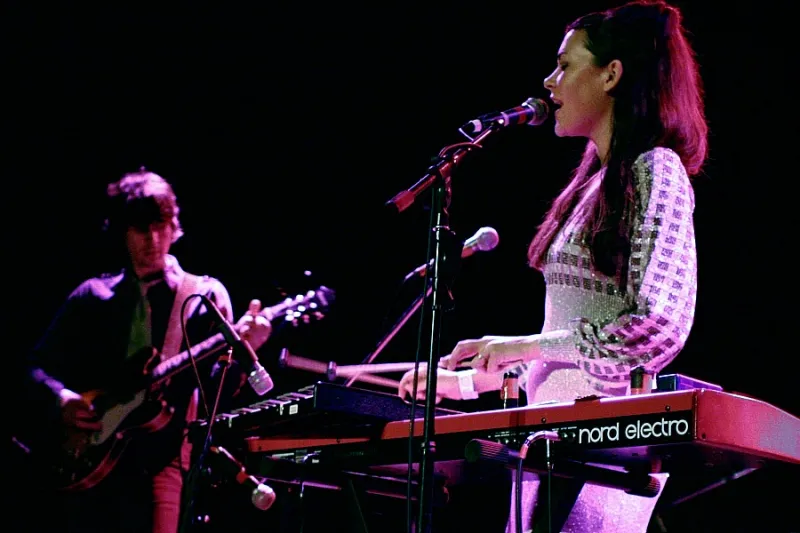
Photo: Maryanne Ventrice, CC BY 2.0, via Wikimedia Commons
There's a particular kind of magic that happens when you stumble across an artist you've never heard of, fall completely down the rabbit hole of their back catalogue, and realise — somewhere around 2am — that you've just become a devoted fan. For a growing number of Australians, that artist is coming from across the Tasman, and they almost certainly didn't find them through a major label.
New Zealand's independent music scene has always punched above its weight. But something has shifted in the last few years. The combination of accessible streaming infrastructure, social media's appetite for authenticity, and a genuinely connected creative culture in Aotearoa has created conditions where indie artists can build sustainable, international careers — and Australian audiences are increasingly at the centre of that story.
Cutting Out the Middleman
For decades, the path to Australian audiences ran through major label distribution deals, radio programmers, and the kind of industry gatekeeping that favoured polish over personality. That model hasn't disappeared, but it's lost its monopoly on discovery.
Platforms like Bandcamp have become genuine economic lifelines for independent Kiwi artists. Unlike streaming services that pay fractional per-play royalties, Bandcamp lets artists set their own prices, run sales, and sell directly to fans who are actively choosing to support them. For Wellington-based artists in particular — where a thriving DIY music culture has long coexisted with the city's arts funding ecosystem — Bandcamp has become less a backup plan and more a primary revenue stream.
What makes this cross-Tasman story interesting isn't just the platform mechanics. It's the way artists are using these tools to cultivate something that feels less like a fanbase and more like a community. Regular email updates, exclusive early access to recordings, handwritten notes tucked into vinyl orders — the intimacy of the indie model is proving to be a genuine point of difference for Australian listeners fatigued by the manufactured distance of major label releases.
TikTok as a Cultural Bridge
If Bandcamp is where the financial relationship between artist and fan gets formalised, TikTok is often where it begins. The platform's algorithm has an almost uncanny ability to surface niche content to exactly the right audience, and a number of NZ artists have leveraged this to remarkable effect.
The key, according to artists who've navigated this successfully, isn't volume — it's vulnerability. Behind-the-scenes recording footage, honest conversations about the realities of making music without label support, snippets of songs that are still being written. Australian audiences, particularly younger listeners in cities like Melbourne and Brisbane with their own robust independent music cultures, respond to this kind of transparency in ways that polished promotional content simply can't replicate.
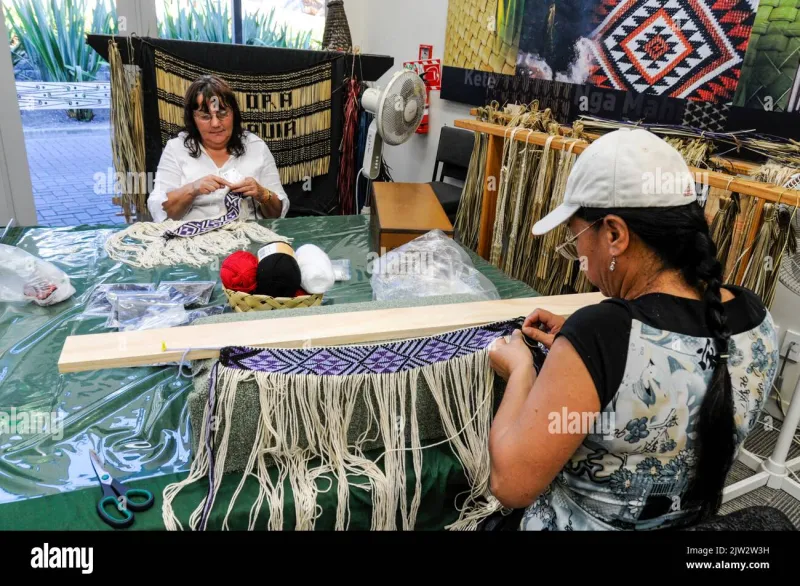
There's also something culturally specific happening here. Māori and Pacific artists sharing the stories and tikanga woven into their music are finding that Australian audiences — particularly those with their own connections to First Nations and Pacific cultures — are hungry for that context. The music becomes a doorway into something larger, and that depth of connection is exactly what keeps fans returning.
Playlist Culture and the Spotify Long Game
Spotify playlists occupy a strange middle ground in the independent music ecosystem — they're algorithm-driven in ways that can feel opaque and frustrating, but they remain one of the most powerful discovery mechanisms available to artists without marketing budgets.
Savvy NZ indie artists have learned to treat playlist placement as a long game rather than a lottery. Building relationships with independent playlist curators — many of whom are themselves passionate music fans with substantial followings — has proven more reliable than chasing algorithmic placement on Spotify's editorial playlists. Australian curators focused on indie, folk, and alternative music have become particularly valuable connectors, essentially acting as cultural ambassadors between the two scenes.
Some artists have gone further, creating their own playlists that sit alongside their catalogues — mixing their own tracks with music from Australian artists they admire, effectively positioning themselves within a broader regional conversation rather than asking listeners to come to them cold.
Collaboration as Community Building
Perhaps the most powerful strategy emerging from this cross-Tasman moment is straightforward collaboration. NZ artists featuring Australian musicians on their tracks, co-writing with Sydney or Melbourne-based songwriters, appearing on each other's podcasts and live streams — these partnerships do double duty, introducing each artist to the other's existing audience while creating something genuinely new.
These aren't purely transactional arrangements. The creative kinship between Aotearoa and Australia runs deep, and artists on both sides of the Tasman often describe a sense of shared cultural values — a suspicion of corporate music culture, a commitment to place and community, an interest in music that means something beyond its commercial potential.
That shared sensibility is increasingly visible in the music itself. Collaborative projects between NZ and Australian artists are producing work that feels genuinely bicultural in the best sense — drawing on both countries' distinct creative traditions without flattening either into the other.
What This Means for the Tasman Creative Ecosystem
The story of NZ indie artists building Australian fan communities through independent streaming isn't just a music industry story. It's a story about what happens when creative people are given tools that let them connect directly with audiences who genuinely want what they're making.
For Australian fans, it means access to a richer, more diverse musical landscape than the major label system would ever have prioritised delivering to them. For NZ artists, it means the possibility of sustainable careers built on genuine relationships rather than the whims of industry gatekeepers. And for the broader creative ecosystem connecting our two countries, it suggests something genuinely exciting — that the Tasman isn't a barrier to be overcome, but a creative commons to be shared.
The artists leading this charge aren't waiting for permission. They're just making music, sharing it honestly, and trusting that the right ears will find it. More often than not, they do.